
Scaling Smart Event Recap: How Your Funding Model Influences AI Adoption in Finance

.png)
Your funding model directly influences growth: pace and tradeoffs around human capital strategy, go-to-market decisions, and now more than ever, use of AI. As you weigh tradeoffs, it's helpful to know what "good" looks like according to the rulebook you're playing by.
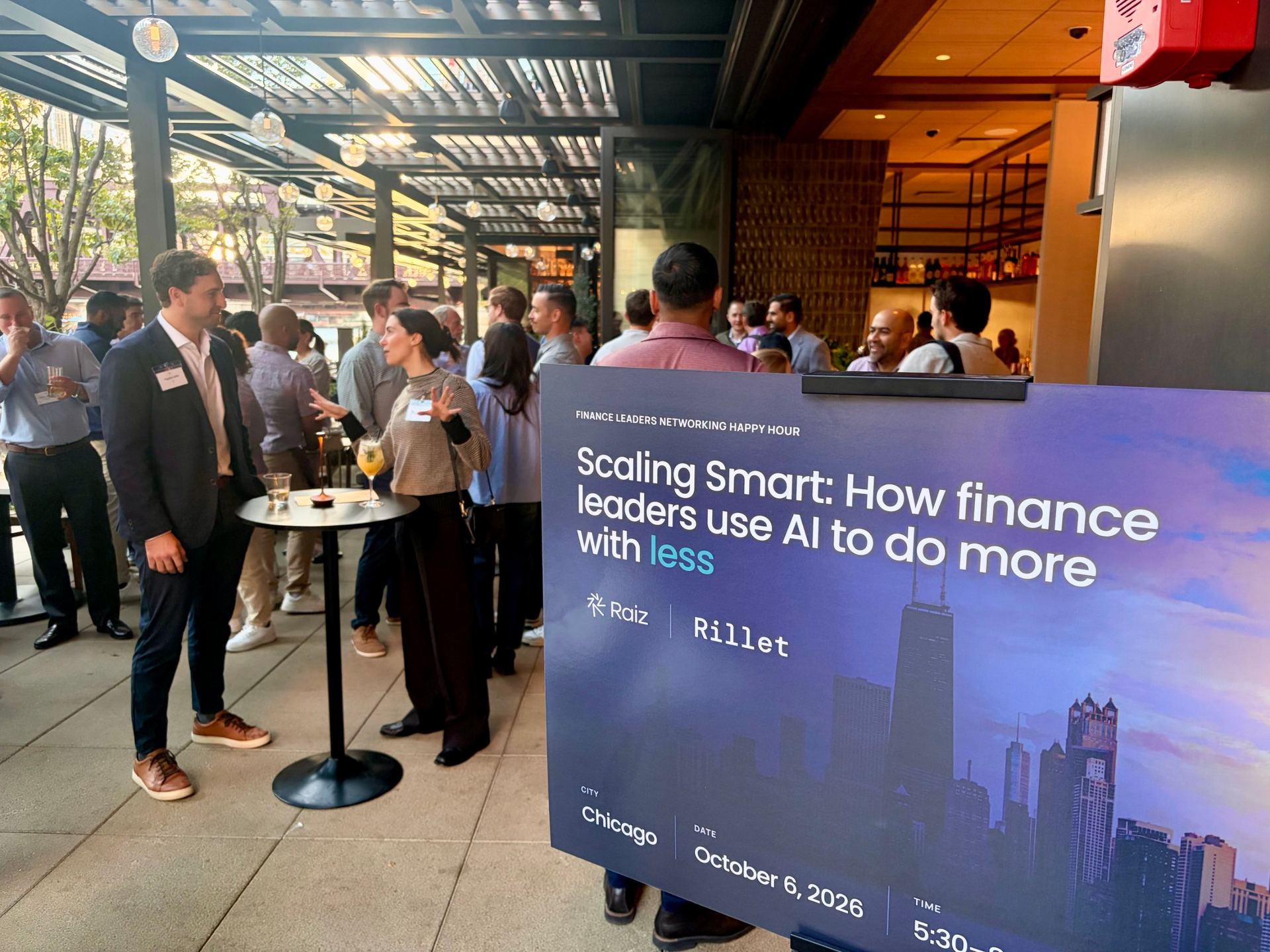
On October 6th, the Raiz team hosted "Scaling Smart" in downtown Chicago. A panel of three finance leaders discussed building sustainable, profitable businesses. All three had different perspectives on where to spend.
For VC-backed firms, buy the right-sized system before you need it.
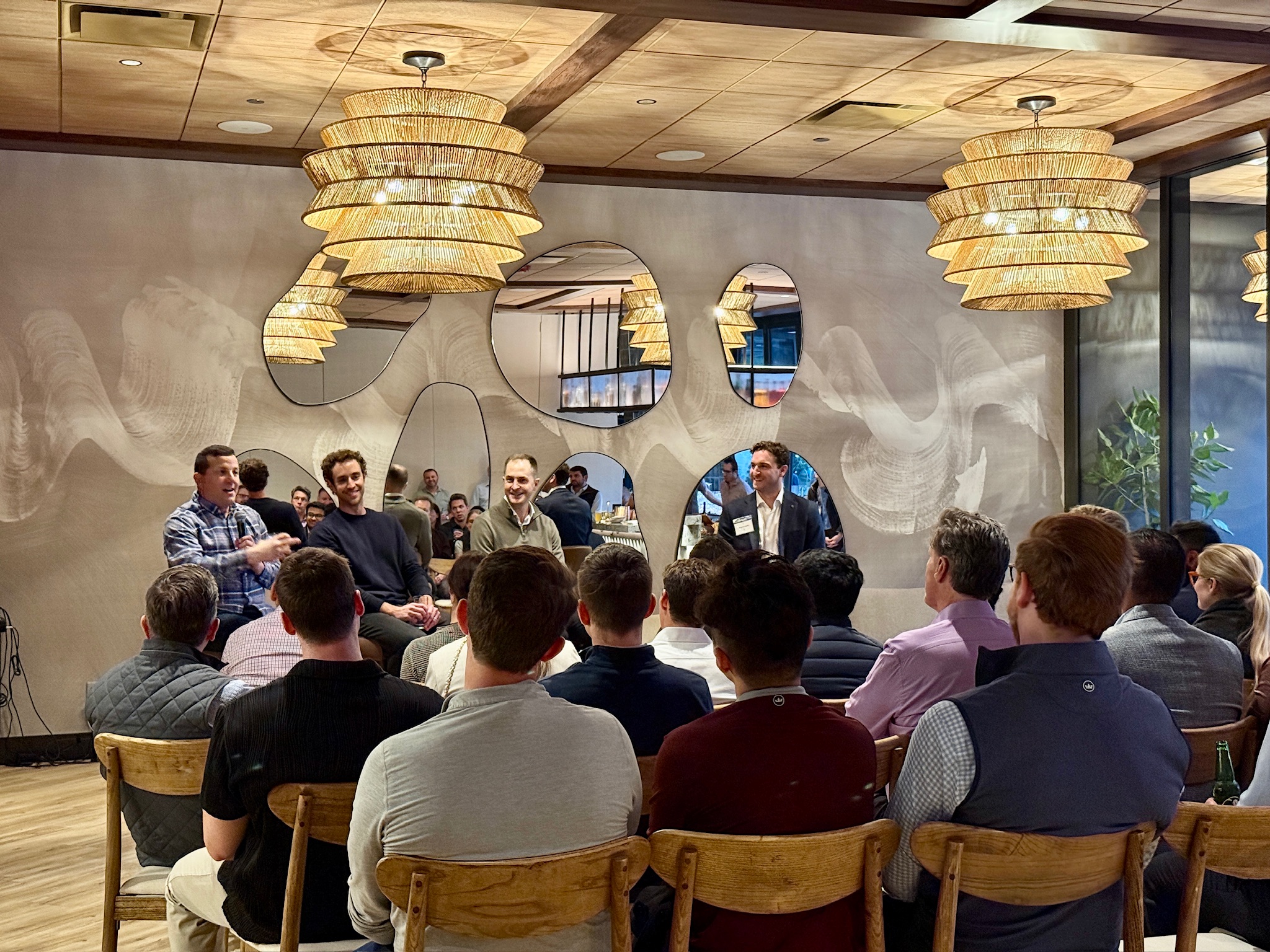
A high-growth company's initial instinct might be to defer finance tooling. Dollars "look better" being spent on engineering or GTM. Ashkon Farmand (VP of Finance, Payroll Integrations) pushed back against that.
As a finance team of one at a company that has more than doubled annually, his first few moves were upgrading his tech stack: off QuickBooks, onto Rillet, then building a system of AI-native tech and vendors around it. He even ran two billing cycles off his vibe-coded platform, and then realized he should invest.
“A purpose-built solution is expensive, but cheaper than a person and better than what I could vibe-code.”
Good software feels expensive early, but it’s cheaper and more reversible than a FTE finance hire.
For PE-backed firms, AI creates measurable value without breaking the team.

As an owner-operator of an investor-backed emergency power company, Zach Stander (CFO at Megawattage) often asks himself, “Can this decision create measurable enterprise value?”
Five years ago, his industrial company ran largely on paper. So he had to prioritize which process improvements would actually stick.
The clearest answer was in contract review. Historically, a lawyer’s contract negotiation fees would limit what they could bid on. Now, AI helps them negotiate 160-page municipal contracts to win $5k maintenance deals. Those deals directly shift their book of business.
Alternatively, he deliberately hasn’t automated their call center. When a property manager loses power at 3am, they want a person to answer. That on-call availability is a strategic asset he refuses to outsource.
For bootstrapped firms, it's harder to make the money than to count it.

Jon Gross (CFO at TaxDome) has worked in private equity, investment banking, and venture-backed companies. A bootstrapped business looks at the world differently.
Every dollar on back-office software that doesn't generate revenue is a dollar not spent on the funnel or the product. So what justifies spending on back office at all?
“Speed to insight. AI tools need to deliver better decision quality. How can I get the best information to department heads fast?”
He’s invested in ERP because a clean, queryable source of truth lets anyone run the analysis themselves.
Where they agreed
All three built AI into their back-office work, drawing the line at customer interactions. Pick and choose the workflows that can automate information processing, ensuring your customers get thoughtful interactions with your team where it matters most.
Two questions heading into 2027
- How are you valuing your back office, and what would have to be true for it to be worth investing in ahead of the need?
- What business-relevant insights are actually useful to you, your team, advisors, and capital partners?
Thanks to Ashkon, Zach, and Jon for a candid hour, and to Rillet for sponsoring the evening.
Raiz is the first Rillet-dedicated reseller and implementation partner, working with finance teams on to make their finance function AI-native. For most companies, an ERP migration isn't the first move. Knowing which rulebook you're playing by is.

Your finance system, finally ready for the 21st century.
 c3e02e8a-0186-4924-8a8c-ccca9ac16e52